Kathryn & Ranger
Working toward more enjoyable walks with an enthusiastic golden retriever.
“the decreased sniffing and marking has been very helpful.”
Full video: 41 seconds. Quote from approximately 00:35.
Open Kathryn’s video
What did they notice? Kathryn and Jessica share their reactions after their first training sessions on September 12, 2026.
Working toward more enjoyable walks with an enthusiastic golden retriever.
“the decreased sniffing and marking has been very helpful.”
Full video: 41 seconds. Quote from approximately 00:35.
Open Kathryn’s video
Working on anxious walks around noise and reactions to other dogs.
“feeling a lot of relief”
Full video: 61 seconds. Quote from approximately 00:31.
Open Jessica’s video
These are individual first-session experiences. Progress and follow-up needs depend on your dog, the issue and your goals.
Picture this: you come home from work to find your dog peacefully snoozing in their bed – not a single cushion chewed or shoe destroyed. No frantic barking, no shredded pillows, just a calm, content pup. If that scenario sounds like a dream (because your current reality is chewed furniture and neighbor complaints about nonstop barking), you’re not alone. We know how stressful and chaotic life with an anxious dog can be, and we’re here to help you change that story.
At Chill Out Dog Training, we build private training around how your dog’s anxiety shows up in real life. Barking and lunging on walks, hiding or freezing, and panic when left alone can call for different plans. Your trainer works hands-on with your dog and coaches you as you practice, so you understand what to do between sessions.
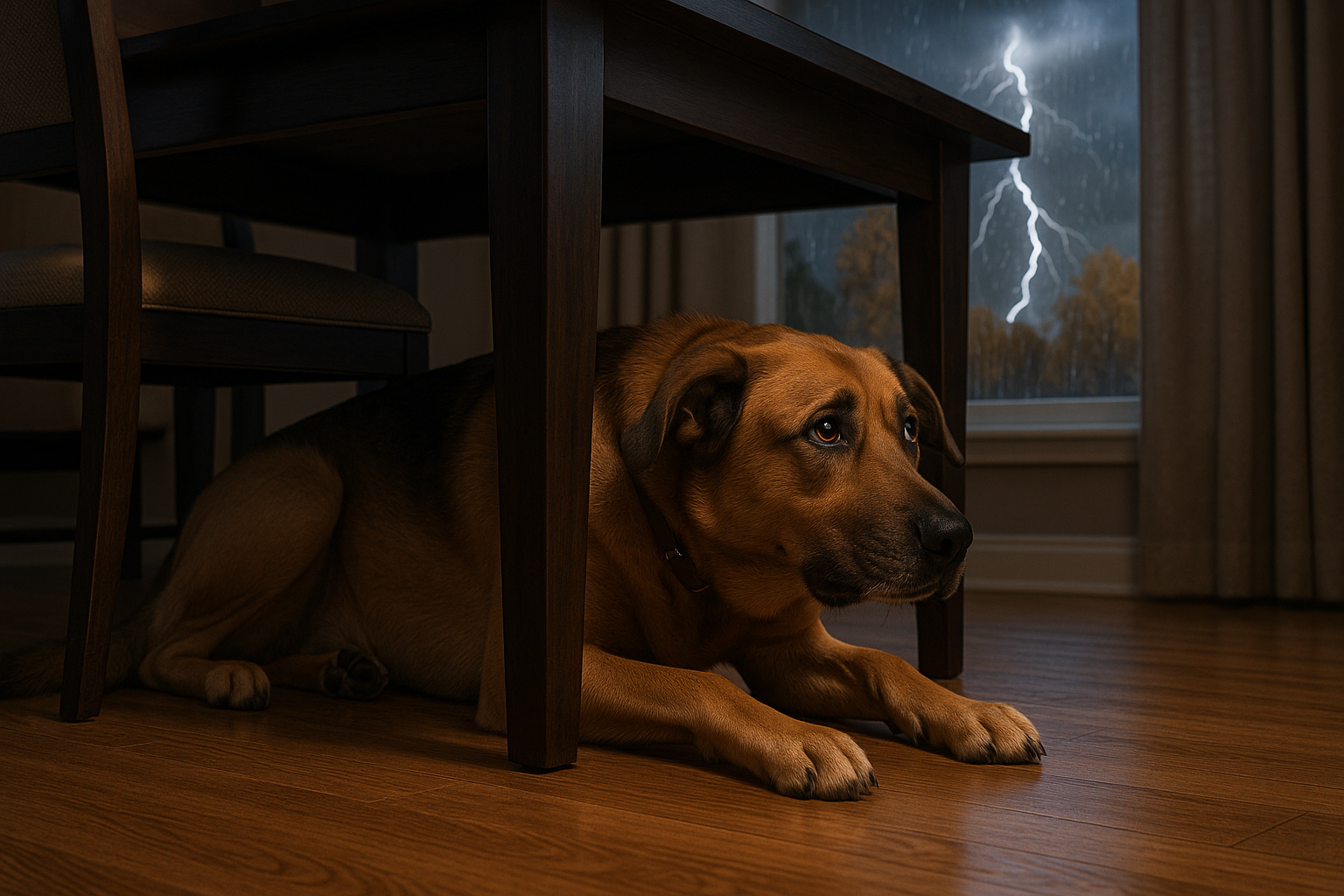
Anxiety can affect walks, time at home and your dog’s ability to settle. You might notice barking or lunging, pacing, hiding, freezing, destruction, or distress when you leave. The context matters: similar-looking behavior can call for different training plans.
We start by understanding when the behavior happens, how your dog responds and what helps them recover. You do not need to diagnose the problem before booking.
Some dogs become fixed on people, dogs or other triggers and struggle to disengage. We work on the behavior pattern, appropriate responses and your handling in practical situations. Learn more about our reactive dog training.
Hiding, freezing, avoiding engagement or trying to flee calls for careful assessment. We adjust the pace, build rapport and confidence, and select a setting where useful work can happen safely.
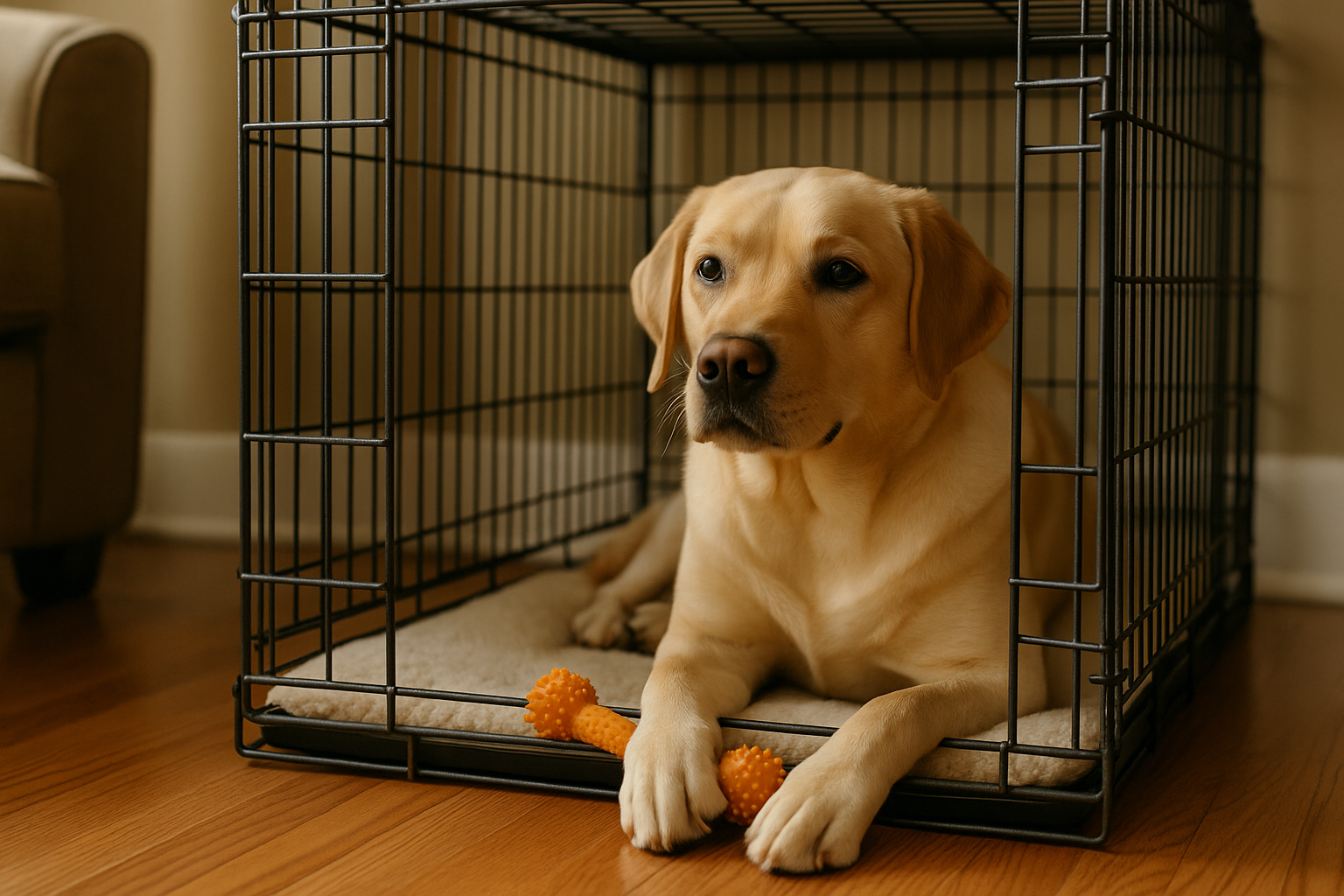
Barking, destruction or escape attempts when a dog is left alone can be exhausting for the whole household. We look at the home routine, what happens before and after you leave, whether confinement is part of the difficulty, and how quickly distress builds.
The aim is to help your dog tolerate separation and settle more independently. Crate training alone does not solve every case; the plan depends on your dog’s actual response. Follow-through and troubleshooting can be especially important for severe or long-standing separation distress.
Dogs that startle, hide or try to flee around sounds or unfamiliar environments need a plan suited to that pattern. We consider triggers, handling and recovery rather than assuming the same approach will suit every anxious dog.
Train the problem you came to solve. Add obedience when it helps.
A dog can know sit, place and heel and still struggle around another dog, a visitor or time alone. We start with the behavior that is making everyday life difficult and build the work around your dog’s actual response.
Reaching the actual learning problem directly is one reason progress can happen quickly. The pace still depends on the pattern: a shy or shutdown dog may need lower-pressure confidence work, while separation or confinement distress can require ongoing troubleshooting. Follow-up is based on your dog’s progress and your goals.
Read more about our behavior-first training method.
We focus on behavioral training. Medical diagnosis and medication decisions belong with your veterinarian.
Our full client testimonials include:
These are individual client experiences with those behavior patterns. They do not establish a timeline for another dog or for separation anxiety.
Step 1: Start with a 90-minute private first session — $375
We talk through your dog’s behavior and home routine, assess the pattern, begin hands-on training and coach you as you practice. You do not need a separate consultation before booking.
Step 2: Plan follow-up around progress — $275 for 90 minutes
Your dog’s response, the severity of the pattern and your goals guide the next steps. Separation or confinement distress may need a different pace and follow-through than leash reactivity.
Step 3: Put the plan into everyday life
Your trainer explains what to practice and helps you understand what progress to look for. We answer questions between sessions and adjust the plan as needed.
Equipment, explained. When an e-collar is appropriate, using our demo equipment during the session is included. Purchasing your own collar is separate. Your trainer will explain the equipment and coach you through its use.
Questions before deciding? Text us at 720-594-3697 or use the website chat. You can book directly; a call or text exchange is not required.
Trained with us before? Book a Follow-Up Session, even for a new dog or after a long gap. Your household only needs one First Session; current prices apply.
Most cases show major improvement in the first session, while the exact result depends on your dog, the behavior and the circumstances. Separation or confinement distress can need a different pace and ongoing troubleshooting. Your first session includes useful training and a plan; we do not promise a fixed recovery timeline.
Separation anxiety is solvable in many cases. We work toward a dog that can tolerate separation and settle more independently. The plan and progress depend on severity, history, confinement and the wider behavior pattern; a complete or instant resolution is not guaranteed.
Different patterns can look like anxiety. During the first session, we discuss when it happens, your dog's history and routine, and what you observe. We assess the behavior to build a practical training plan; medical causes need veterinary assessment.
We focus on behavioral training techniques and don't prescribe medication (only veterinarians can do that). However, we're happy to work alongside your vet if they recommend anxiety medication as part of a comprehensive treatment plan.
Adult and senior dogs can learn new behavior. We consider your dog's needs and response when planning the pace and goals. We work with dogs of all ages.
We agree on practical goals for your dog and home life, such as settling more independently, tolerating separation or recovering more easily around triggers. Your observations between sessions help us judge progress and adjust the plan. Follow-up depends on the individual case.
Yes. Reactivity and aggression are core areas of our private training. We discuss the behavior, safety needs and useful working setup as part of the first session. You can book directly; a call or text exchange is not required.
The patterns can overlap. Barking, lunging and fixation around triggers are handled differently from hiding, freezing or panic when left alone. We look at how the behavior shows up in real life, so the training plan fits your dog.
Yes! In-home training is often ideal for anxious dogs because they're most comfortable in their own environment. We serve Denver, Aurora, Lakewood, Littleton, and surrounding communities.
We work with dogs of all breeds, ages, and sizes – from anxious Chihuahuas to reactive German Shepherds and everything in between.
We provide in-home dog anxiety training throughout the Denver metro area including:
RiNo, LoHi, Highlands, Berkeley, Sunnyside, Park Hill, City Park
Capitol Hill, Cheesman Park, Congress Park, Washington Park
Harvey Park, University Hills, Observatory Park, Platt Park, Littleton
Stapleton, Lowry, Aurora, Montbello
Lakewood, Edgewater, Wheat Ridge, Arvada
Not sure if we serve your area? Call 303-390-1025
Check current training appointments for available times. If you have a time-sensitive training question, call 303-390-1025. Available times are shown in the scheduler.
Ready to begin? Book a training session. New households start with a 90-minute First Session for $375; returning households book a 90-minute Follow-Up for $275, including for a new dog or after a long gap.
For questions, text us at 720-594-3697 or use the website chat. A conversation is optional. You can also read our FAQ and services and pricing.
Unable to text or use chat? Call our receptionist at 303-390-1025 for assistance.
Behavior Trainer
Behavior Trainer


